
Išbandykite „Support 2.0“ atnaujinimą programoje „Controls App 2.15.0“
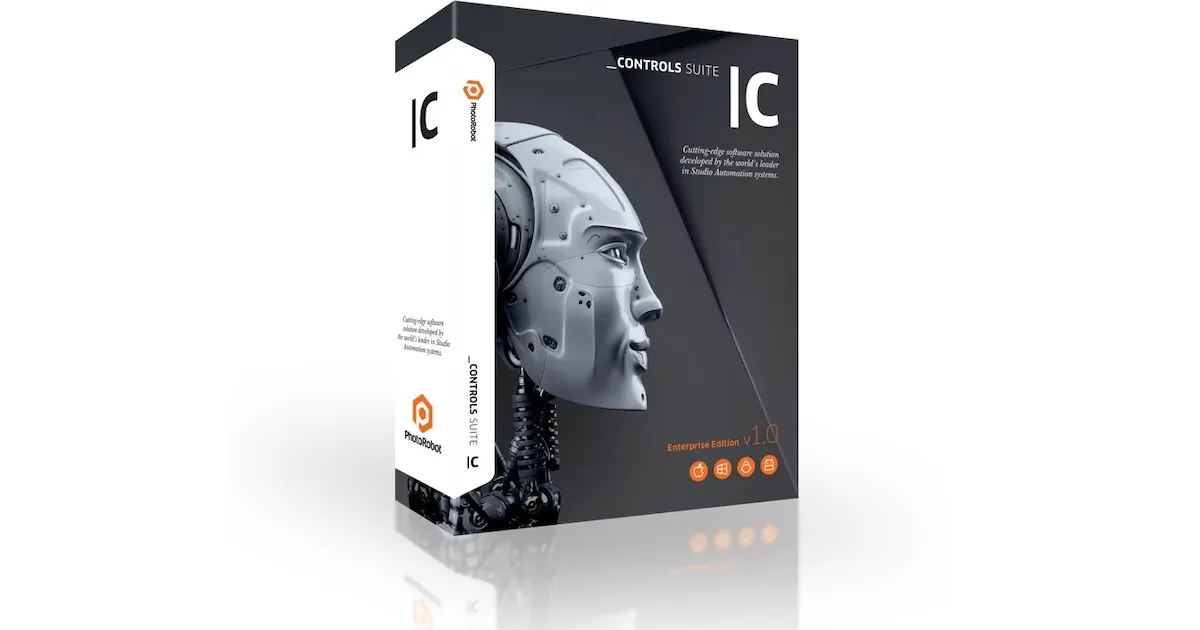
PhotoRobot _Controls 2.15.0 paleidžia „Palaikymą 2.0“. Atrakinkite nenumaldomą stabilumą, išmaniąją diagnostiką ir vietinio dirbtinio intelekto aušrą.
Bekompromisis našumas su Controls „Support 2.0“
Ką tik iš kūrėjų stalų, išleista PhotoRobot _Controls programėlė 2.15.0 yra tai, ką mes taikliai vadiname „Palaikymo 2.0“ versija. Palaikymas 2.0 užtikrina bekompromisį našumą ir stabilumą, teikia išmaniąją diagnostiką ir vietinio dirbtinio intelekto atsiradimą PhotoRobot _Controls sistemoje. Skaitykite toliau, kad sužinotumėte pagrindinę naujausių atnaujinimų ir naujų funkcijų filosofiją, įskaitant žvilgsnį į tai, kas laukia ateityje.
Pamokos iš 3D produktų fotografijos rinkos
PhotoRobot komanda reguliariai naudoja dirbtinį intelektą ir didelius kalbos modelius (LLM), kad paspartintų mūsų plėtrą. Pavyzdžiui, neseniai „Google NotebookLM“ pateikėme duomenis apie automatizuotą 3D produktų fotografijos rinką. Tada paprašėme jos analizės apie PhotoRobot vietą pramonėje, ir rezultatai buvo iškalbingi.
Kritinė analizė pristato PhotoRobot ne tik kaip paprastą kameros įrenginį. Ji išskiria PhotoRobot kaip rinkos lyderį automatizuotos 3D fotografijos srityje. PhotoRobot tvirtai užima vietą tarp penkių didžiausių pasaulio pramonės žaidėjų, kurie kartu valdo 66% rinkos.
Tačiau kol likusi rinkos dalis bando patenkinti visų poreikius savo sprendimu, PhotoRobot strategija yra tiksliai sukoncentruota. PhotoRobot juk negamina pradinio lygio, plastikinių „viskas viename“ dėžių. Mes gaminame aukščiausios kokybės, didelio našumo variklius profesionalioms studijoms ir pramoninio masto operacijoms. Štai kaip tai atrodo realybėje.
PhotoRobot nesąžiningas pranašumas
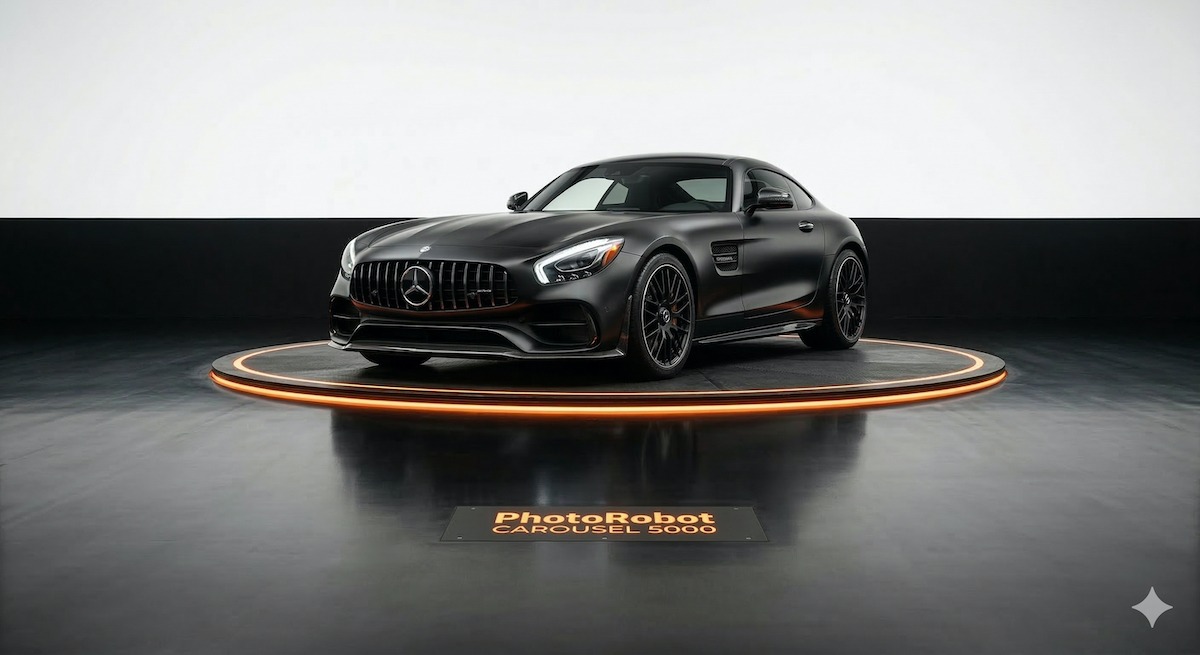
Praktiškai, štai koks nesąžiningas pranašumas PhotoRobot turi prieš rinką.
- Mastelis, o ne pavieniai kadrai: Ankstesni konkurentai, tokie kaip Styleshoots, kurie kadaise pasižymėjo kūrybinėje madoje, sutelkė dėmesį į tai, kad kiekvienas kadras būtų meninis. Vietoj to, PhotoRobot sutelkia dėmesį į didelio masto, pakartojamą pralaidumą. Tai reiškia, kad jei verslo pagrindinis rodiklis yra standartizavimas didžiuliame kataloge, PhotoRobot yra neprilygstamas.
- Didelio našumo inžinerija: Nors kiti (pvz., Orbitvu ar Iconasys) orientuojasi į standartinę el. prekybą, PhotoRobot kuria sistemas „ekstremalioms“ sąlygoms. Ar verslui reikia fotografuoti 4 000 kg automobilį milisekundžių tikslumu? PhotoRobot Carousel 5000 siūlo didelio našumo automobilių fotografavimo sprendimą su dizainu ir be rūpesčių priežiūra ilgalaikiam produktyvumui.
PhotoRobot pristato technologiją, kuri tiesiog veikia greičiau.
- Non-Stop Spin: Tradiciniai 360° TURNTABLE sustoja ties kiekvienu kadru, kad padarytų nuotraukas. Tai reiškia 90 sekundžių ar daugiau, kad būtų užfiksuoti 36 vaizdai, o PhotoRobot nepertraukiamo SPIN technologija fiksuoja nuolat sukantis. Sujungus sklandų nuolatinį sukimąsi su pasaulinės klasės blykstėmis (pvz., Broncolor ar Profoto), kurios optiškai sustabdo produktą, PhotoRobot užfiksuoja 36 didelės raiškos vaizdus per 20 sekundžių. Nėra jokių sustojimų, todėl darbo eiga yra greitesnė.
- MultiCam Sync: PhotoRobot pasižymi TURNTABLE sukimosi sinchronizavimu su keliomis kameromis vienu metu iki milisekundės tikslumu. Sudėtingi 3D SPIN yra daugiau nei tiesiog įmanomi; jie yra momentiniai.
- Sukurta tarnauti daugiau nei dešimtmetį: PhotoRobot nenaudoja lengvo aliuminio, siekiant sumažinti išlaidas. Yra tik pramoninės klasės komponentai. Kiekviena PhotoRobot sistema pasižymi dizainu, leidžiančiu veikti 24 valandas per parą, 7 dienas per savaitę, lengvai 10–15 metų.
- Debesies galia: Joks verslas neturėtų laukti, kol kompiuteris apdoros vaizdus, prieš fotografuojant kitą produktą. Todėl PhotoRobot perkėlė didžiąją dalį darbo į debesį. Sistemos redaguoja šimtus vaizdų fone, kol studijos jau fiksuoja kitą elementą. Rezultatas yra vienas produktas per minutę, su pralaidumo pajėgumu 500+ elementų per pamainą.
Analitikai tokiose PLATFORM kaip G2 ir Capterra tai pripažįsta ir dalijasi ta pačia analize. Jie atkreipia dėmesį į didesnes pradines investicijas, tačiau tuo pat metu visada pateikia vieną išvadą. Didelės apimties studijoms PhotoRobot užtikrina „nepralenkiamą našumą ir efektyvumą“.
Išlikti ištikimiems esmei
Cituojant PhotoRobot įkūrėją ir generalinį direktorių Kamilą Hrbáčeką: „21 metus PhotoRobot pagrindinė filosofija buvo paprasta: darykite tai teisingai nuo pat pradžių.“
"Tikrai, „pigus“ aparatas yra brangiausias dalykas, kurį galite nusipirkti. Kai jis sugenda, darbuotojai nedirba, o produktai neparduodami internetu. Štai kodėl kai kurios mūsų pačios pirmosios mašinos vis dar veikia sklandžiai po 20 metų.
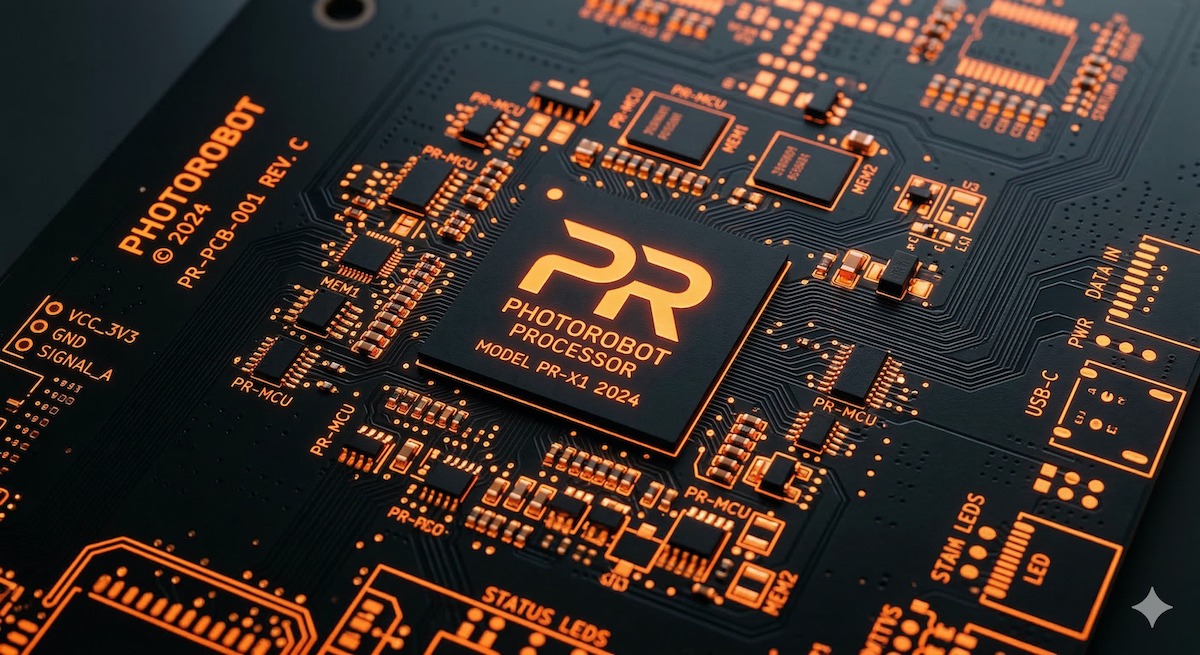
Tuo pačiu metu, tą patį apsėdimą taikome ir PhotoRobot programinei įrangai. Mes nesivaikome tendencijų. Mes kuriame masyvias, daugiapakopes architektūras, kuriose kontroliuojame kiekvieną sluoksnį. Mes projektuojame savo PCB. Mes rašome savo realaus laiko operacines sistemas, kurios apdoroja duomenis eksponentiškai greičiau nei bet kas kitas rinkoje. Mes išleidome daugiau nei 2 000 000 € tik pagrindinės programinės įrangos kūrimui, kol tiesiog nustojome skaičiuoti. Nes svarbu ne tai, kiek tai kainuoja. Svarbu, kaip tai veikia.
Kai paspaudžiate vieną mygtuką ir magija įvyksta be pastangų, jums nereikia žinoti sudėtingos mechanikos už jos. Tai tiesiog veikia."
PhotoRobot _Controls „Support 2.0“ aušra
Dabar, siekiant naujovių, dažnai susiduriama su augimo sunkumais, o 2025 m. antroji pusė yra puikus pavyzdys. Būtent tai paskatino paleisti PhotoRobot „Support 2.0“, prasidėjusį neįtikėtinai įtemptu PhotoRobot komandos laikotarpiu.
Mūsų ekosistema integruota su daugybe trečiųjų šalių bibliotekų, tvarkyklių ir protokolų. Ir vienu metu partnerių atnaujinimai buvo paleisti be tinkamo testavimo. Dėl to mūsų kūrėjams teko dirbti dienomis, naktimis ir savaitgaliais, kad apsaugotų mūsų klientus. Būtent tada tapo akivaizdi gyvybiškai svarbi pamoka.
Nuo šiol jokie trečiųjų šalių įrankiai nelies PhotoRobot ekosistemos, nebent jų patikimumas būtų visiškai garantuotas. Išimčių nebus, taškas.
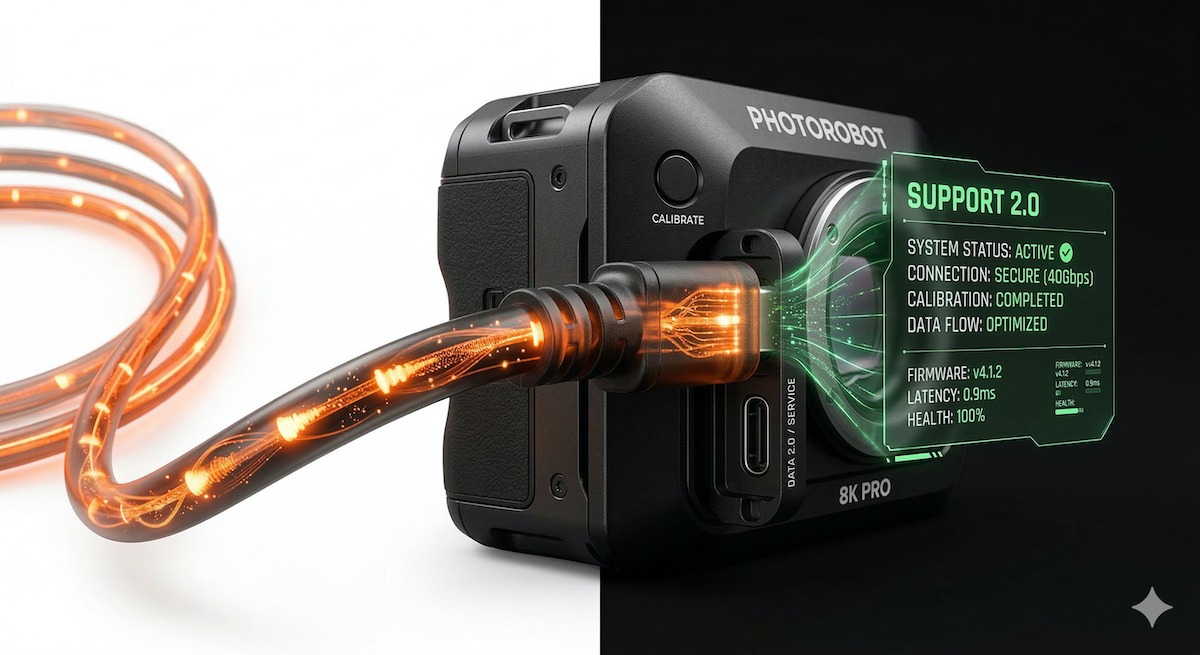
Dabar įveskite PhotoRobot _Controls App 2.15.0 – „Palaikymo 2.0“ pradžią. Siekiant užtikrinti tikrai aukščiausios kokybės patirtį, Palaikymas 2.0 garantuoja, kad mūsų diagnostika yra tokia pat pažangi kaip ir mūsų techninė įranga. Taip yra todėl, kad pastebėjome, jog daugiau nei 90 % prastovų kyla dėl dviejų erzinančiai paprastų problemų: arba IT neteisingai sukonfigūruoto IP adreso, arba didelės spartos prijungimo kabelio, ant kurio kažkas tiesiog užlipo.
Nuo 2.15.0 versijos sistema dabar pasižymi išmaniąja savidiagnostika. Sistema nuolat stebi tinklo būklę, kabelio duomenų perdavimo greitį, kameros ryšio kokybę ir objektyvo programinės įrangos versijas. Tada, jei kabelis pradeda gesti, PhotoRobot palaikymo komanda žino dar prieš jums atidarant palaikymo bilietą. Tai reiškia, kad dabar galima tiksliai nustatyti problemą – ir dažnai ją išspręsti – dar prieš jai tampant problema.
Filosofija, skatinanti PhotoRobot ekosistemą
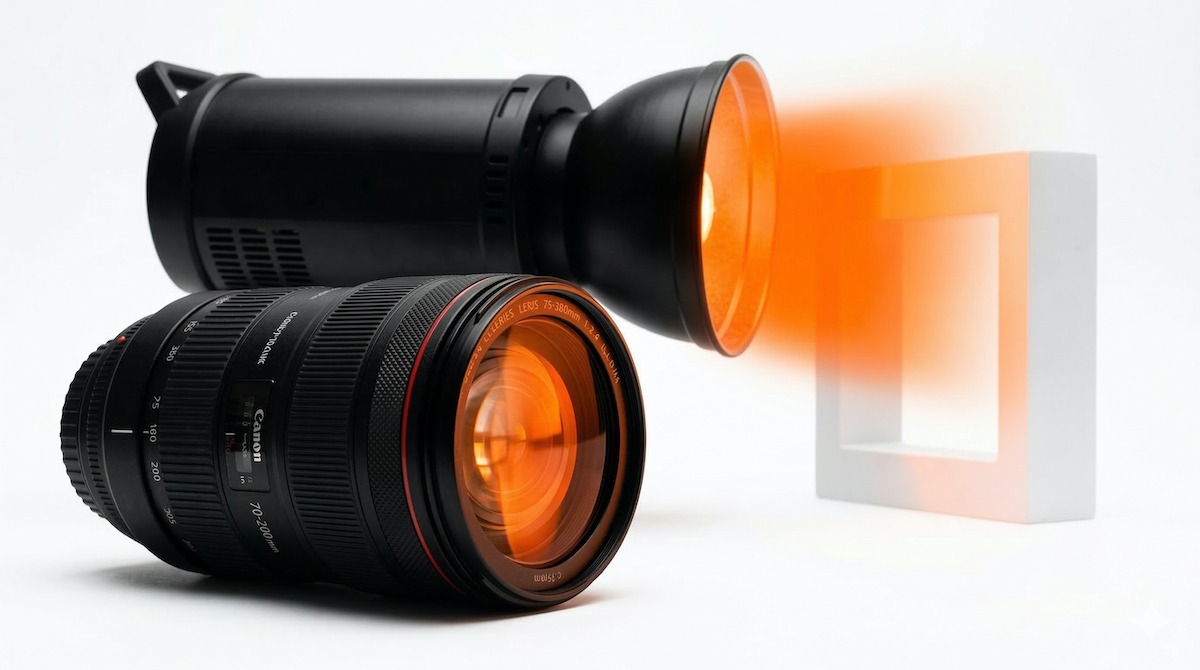
Pagrindinė PhotoRobot ekosistemos filosofija – niekada netaupyti klientų sąskaita, teikiant tik aukščiausios kokybės sprendimus, kuriuos galime pasiūlyti.
Mes žinome, kur esame stiprūs, ir žinome, kada atsitraukti. Pavyzdžiui, PhotoRobot negamina kamerų; mes naudojame Canon. Mes negaminame blyksčių; mes naudojame Profoto ir Broncolor. Kodėl? Nes šviesos fizika ir optika yra svarbios.
PhotoRobot techniškai galėtų gaminti neįtikėtinai pigias LED paneles Kinijoje, atspausdinti ant jų savo logotipą ir drastiškai padidinti pelno maržas. Tačiau galiausiai sistema būtų tiesiog pigesnė, o jūsų nuotraukos atrodytų blogiau.
PhotoRobot atsisako tiekti prastesnę kokybę. Niekada neprašysime savo klientų fotografuoti produkto esant prastam apšvietimui. Taip pat nesitikėtume, kad pasikliausite AI filtru, kad „optimizuotumėte“ nuotraukas po fiksavimo. Elektroninės prekybos grąžinimų dėl netikslių nuotraukų kaina yra astronominė, o mūsų klientai reikalauja geresnio.
Tai apima didžiulius sandėlius, fotografuojančius daugiau nei 100 000 produktų per dieną, iki pasaulinio garso Paryžiaus mados namų, fotografuojančių tik dvi prabangias rankines per sesiją. Abiems reikia tobulo apšvietimo ir tobulumo automatizuotoje produktų fotografijoje. Čia PhotoRobot pateikia sprendimus, padedančius mūsų klientams pasiekti maksimalų produktyvumą be kompromisų.
Kas toliau: vietinė dirbtinis intelektas
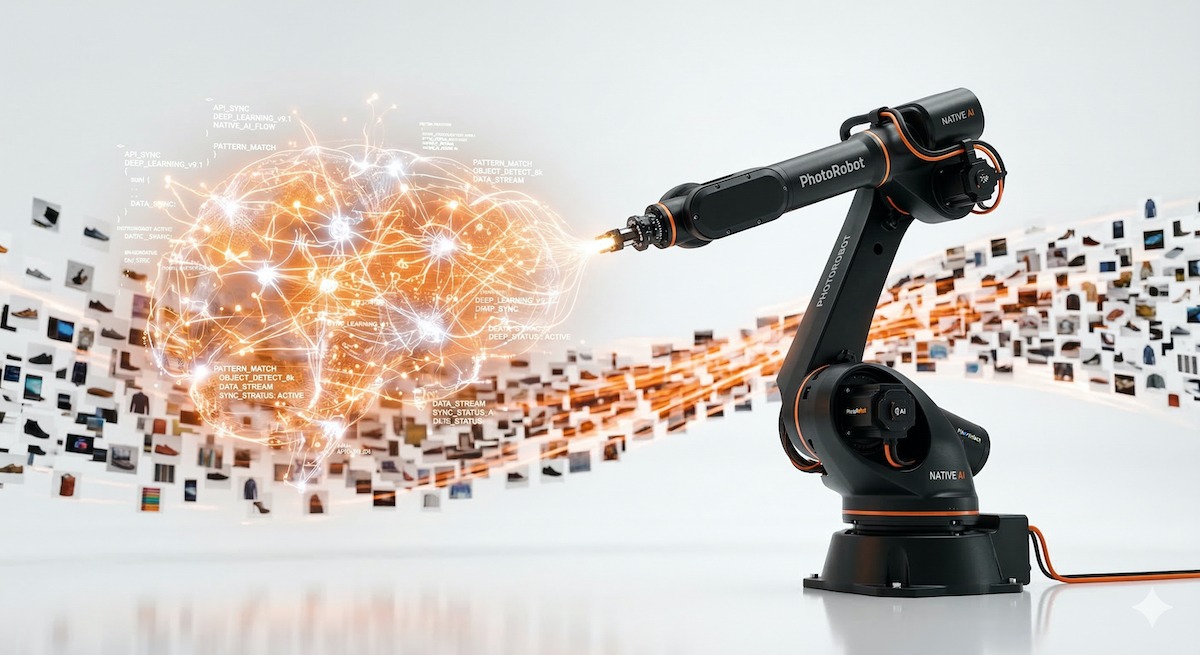
Kalbant apie AI, dirbtinis intelektas keičia verslo darbo eigą visame pasaulyje, ir tai apima PhotoRobot _Controls App.
Nors įmonių erdvėje dirbtinis intelektas vis dar yra sudėtingas reikalas. Duoti savo komandai dirbtinio intelekto agentą, tikintis stebuklingo produktyvumo padidėjimo, tiesiog nėra perspektyvi strategija. Siekiant maksimalaus produktyvumo, dirbtinis intelektas turi natūraliai integruotis į darbo eigą, kaip elektra į aparatinę įrangą – maitindamas jūsų produkciją, niekam apie tai negalvojant.
PhotoRobot laboratorijose ši inovacija jau kuriama mūsų _Controls programėlei. PhotoRobot _Controls 3.0 sujungs mūsų atviros architektūros filosofiją su dirbtiniu intelektu ir bus lygiai taip pat, kaip prijungti bet kokį DMX šviestuvą prie PhotoRobot. Tai leis jums tiesiogiai integruoti bet kokį AI modelį į darbo eigas per API.
Padidinkite darbo eigos našumą su integruotu AI programoje Controls 3.0.
- Išmanieji nustatymai: AI agentai veiks kaip jūsų vyresnysis studijos konsultantas, peržiūrėdami ir tobulai optimizuodami jūsų apšvietimo ir kameros nustatymus realiuoju laiku.
- Redagavimas pagal užklausas: Manipuliuokite sudėtingais vaizdo duomenimis tūkstančiuose failų tiesiog įvesdami tai, ko norite.
- Automatinis duomenų ištraukimas: Automatiškai patikrinkite GS1 pakuotės tekstus ir produktų etiketes tiesiogiai iš didelės raiškos nuotraukų, pašalindami lėto, išorinio duomenų įvedimo poreikį.
Kokia geriausia dalis? Kadangi visa tai yra tiesioginė PhotoRobot ekosistemos dalis, AI agentai nėra apriboti dirbti tik su viena nuotrauka vienu metu. Agentai galės autonomiškai dirbti fone visame jūsų didžiuliame kataloge. Įsivaizduokite: pažangus dirbtinis intelektas, natūraliai integruotas ir veikiantis su patvariausia techninės įrangos platforma produktų fotografijai. Tai yra kitas PhotoRobot Controls etapas, ir jis pasirodys netrukus. Sekite naujienas apie PhotoRobot Controls 3.0 išleidimą.


